
Quick answer
Famous people don't sell investments in ads
Treat any ad or video in which a celebrity promotes an investment, trading app or crypto platform as a scam until you've proved otherwise. Check that the firm is registered with your country's financial regulator. Never install remote-access software for a "broker". Be most suspicious when your early "profits" are easy to see but hard to withdraw.
The four-step funnel
In October 2025, the UK consumer group Which? traced how these scams move people from a scroll to a bank transfer:
- The ad. A paid post or video shows a deepfake of a famous person endorsing an investment. Which? found deepfake ads and fake news stories on Facebook, YouTube and Yahoo; YouTube removed all eight deepfake crypto videos Which? reported.
- The fake news story. The ad links to a page dressed up as a real news story, often "revealing" a celebrity such as Martin Lewis or Keir Starmer.
- The sign-up form. You leave a name and phone number to "learn more".
- The broker call. A "trader" phones, asks for a small first deposit, then shows quick profits on a dashboard and pushes for more—sometimes suggesting a loan. In one case Which? describes, the scammers had the victim install remote-access software.
Why it works so well
The numbers are large. In the FBI's 2025 Internet Crime Report, investment fraud was the biggest category of complaints that mentioned AI: 4,356 complaints and about $632 million in reported losses. Total investment-fraud losses across all complaints were more than $8.6 billion.
In the UK, banking body UK Finance reported £98 million lost to investment scams in the first half of 2025, up 55% on a year earlier. Among the people who told Which? they'd been targeted through ads or social posts, 56% lost money, compared with 20% of those first approached by phone. Online and social-media victims reported an average loss of £11,865.
Familiar faces are the hook. Analysis of UK Action Fraud data by MoneySavingExpert found Martin Lewis was the most-impersonated celebrity in scam reports in 2022–23, followed by Taylor Swift and Elon Musk, and estimated more than £20 million was lost to scams using Lewis's name or image over two years.
Warning signs
- A celebrity, politician or TV expert "reveals" a platform in an ad.
- Returns that are high, fast and described as low-risk.
- A dashboard that shows growing profits you never actually received.
- A fee, tax or "release charge" you must pay before you can withdraw.
- A request to install remote-access software such as AnyDesk.
- Pressure to add more money, borrow, or keep it secret from family.
You may spot a fake from glitches—the FBI suggests watching for lag, unnatural movement or distorted details—but the videos keep getting better. Checking the firm works even when the video is perfect.
How to check an investment in five minutes
- Search the firm's name with words like "scam" or "review", and look for regulator warnings.
- Check the regulator's register. For example, the SEC and FINRA's BrokerCheck in the US, the FCA register in the UK, SEBI in India and SECP in Pakistan.
- Go to the celebrity's own channels. Martin Lewis, for example, has said publicly many times that he doesn't appear in adverts.
- Withdraw a small amount first. If you can't get money out without paying a fee, stop.
- Talk to someone you trust before sending a second payment. Scammers rely on you deciding alone.
US regulators gave the same advice in a joint alert from the SEC, NASAA and FINRA: check registration, be wary of AI trading systems that "can't lose", and don't treat a famous endorsement as proof.
If you've already invested
- Stop sending money, including any "fee" to unlock a withdrawal.
- Call your bank using the number on your card and explain it may be an investment scam.
- If remote-access software is on your device, uninstall it and change your banking passwords from a different device.
- Report it: ic3.gov in the US, Action Fraud in the UK, 1930 or cybercrime.gov.in in India, or the NCCIA helpline 1799 in Pakistan.
- Ignore anyone who offers to recover the money for a fee.
- Add the platform as an investment account in Accounts.
- Record each deposit as a transfer from your bank account, so it shows as money moved rather than spending.
- Compare the total you've put in with what you've actually been able to withdraw.
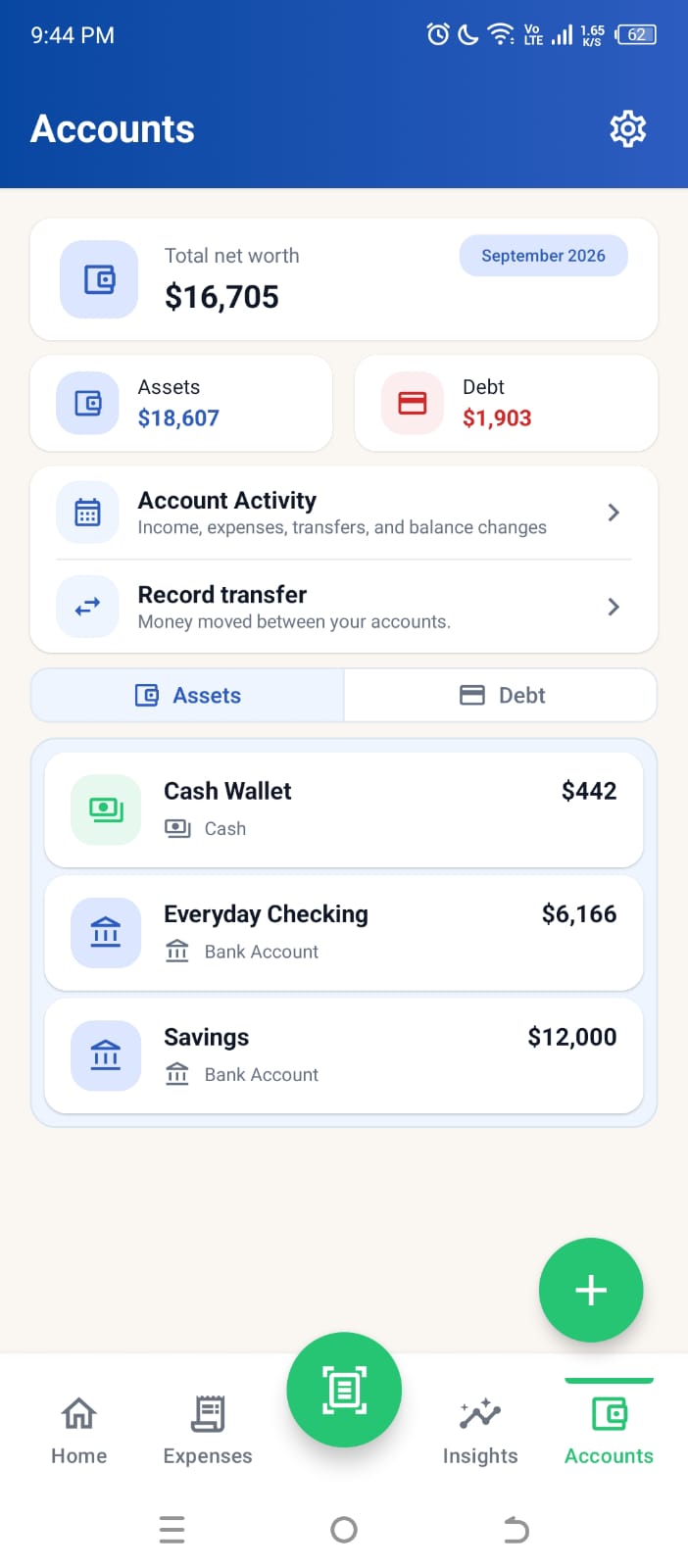
Screen shows sample data.
FAQ
Common questions
If a video is on YouTube or Facebook, is it real?
No. Which? found deepfake investment ads and fake news stories on Facebook, YouTube and Yahoo in 2025.
Can I tell a deepfake by looking closely?
Sometimes, but not reliably. Checking the firm with a regulator is more dependable than judging the video.
Can I get my money back?
Sometimes, especially if you report quickly. Contact your bank first, then report the scam where you live.
Written with AI assistance by Higxel Editorial. Example figures are made up to show the method; this is general information, not financial advice. Sources checked October 29, 2026. Some sources describe one country; local rules and costs differ.
Sources
Further reading
- Which?: how crypto investment scammers peddle celebrity deepfakes online with ease (October 2025)
- MoneyWeek: millions lost in celebrity ad scams (MoneySavingExpert analysis of Action Fraud data)
- SEC, NASAA and FINRA: artificial intelligence and investment fraud investor alert
- PPC Land: FBI IC3 2025 report, AI-linked fraud figures
- FBI public service announcement I-120324-PSA: criminals use generative AI to facilitate fraud (December 3, 2024)